
Why Winterizing Your Lawn and Garden Matters
The Consequences of Neglecting Winter Preparation
Failing to prepare your lawn and garden for winter is like forgetting to bring an umbrella during a storm. Sure, you might get away with it for a while, but eventually, you’ll get soaked. Plants can become weak and vulnerable, your lawn might not bounce back in spring, and pests or diseases could wreak havoc. The cold is unforgiving, and if your lawn and plants aren’t winter-ready, they’ll be fighting an uphill battle.
Benefits of Proper Winterization
Winterizing your garden and lawn is like tucking them in for a long nap. It ensures they rest well through the harsh winter and wake up vibrant when spring rolls around. The proper steps now will lead to lush greenery, healthier plants, and fewer weeds next year. Plus, you’ll prevent snow mold on your lawn, root damage to your plants, and cracked soil, which all make your garden look like a war zone come March.
When to Start Winterizing Your Lawn and Garden
Understanding Your Region’s First Frost Date
Timing is everything. To know when to start, check your region’s first frost date. This date gives you a solid deadline for finishing your winterizing tasks. In colder areas, it might be as early as October, while warmer regions could have a bit more time. However, don’t leave it until the last minute—plan ahead and give your lawn and garden the time they need to settle in.
Timing Based on Plant Types and Lawn Varieties
Different plants and grass varieties have different needs. Cool-season grasses like fescue need to be fertilized and mowed before the frost. Warm-season grasses go dormant and may require less attention. As for plants, tender annuals need to be removed, while perennials can be pruned and insulated with mulch. Understanding your lawn and garden’s specific needs is key to perfect timing.
Essential Tools and Materials for Winterizing
Basic Garden Tools You’ll Need
Before you start, gather all the tools you’ll need: a rake, lawn aerator, pruners, mulch, and fertilizer. Having these tools on hand means you won’t have to scramble halfway through the process. You’ll also need plant covers, especially for more sensitive varieties.
Protective Materials and Fertilizers
When it comes to winterization, mulch is your best friend. It acts as a cozy blanket for your plants, trapping warmth in the soil. A winter fertilizer rich in potassium is perfect for your lawn, strengthening its roots for the cold months ahead. Don’t forget burlap or frost blankets to protect fragile plants from icy winds.
How to Winterize Your Lawn
Step 1: Clear Debris and Fallen Leaves
Don’t let leaves and debris smother your lawn. Raking up these layers is crucial because if left unattended, they create a wet mat that can breed disease. Think of it as your lawn needing to breathe; a clean slate is the first step toward winter health.
Step 2: Aerate the Lawn
Aeration might sound technical, but it’s simply poking small holes in your lawn to allow air, water, and nutrients to reach the roots. Aerating before winter helps your grass absorb the good stuff it needs to survive those freezing months. It’s like opening up tiny channels for food and water before the big freeze.
Step 3: Fertilize for Winter Health
A winter fertilizer is essential for prepping your lawn for the cold. Potassium-rich fertilizer strengthens the roots and gives your grass the boost it needs to withstand freezing temperatures. You wouldn’t run a marathon on an empty stomach, right? Well, think of this fertilizer as a power meal for your lawn before its long winter nap.
Step 4: Mow One Last Time
The final mow of the season is like getting your hair trimmed before a long vacation. Keep your grass about 2-3 inches high to prevent snow mold while ensuring it’s not too short to expose the roots to the cold. The goal is a neat, healthy lawn, not a buzz cut!
Step 5: Protect Against Snow Mold
Snow mold can turn your lawn into a mushy mess come spring. To prevent this, avoid leaving leaves or long grass sitting under the snow. Make sure your lawn is well-aerated, fertilized, and neatly mowed, as we’ve outlined. Snow mold thrives in wet, compacted areas, so keep your lawn as dry as possible before winter arrives.
Preparing Your Garden for Winter
Step 1: Remove Annuals and Prune Perennials
Time to say goodbye to your annuals—they’ve done their job for the season. Yank them out and toss them into the compost pile. For perennials, prune them back and remove any diseased foliage. This prevents rot and disease from setting in during winter. It’s like giving your garden a clean slate before the freeze.
Step 2: Mulch for Insulation
Mulch is your garden’s winter jacket. Spread it around the base of your plants to lock in warmth and protect the roots from freezing. Make sure to use organic mulch, which breaks down and enriches the soil over time. Mulching is especially crucial for plants that are borderline hardy in your region.
Step 3: Watering Before the Freeze
You’d think watering before winter would be unnecessary, but giving your plants a good drink before the ground freezes helps them survive. It’s like filling up a camel’s hump—your plants will have enough moisture to make it through the harshest months.
Step 4: Protect Sensitive Plants with Covers
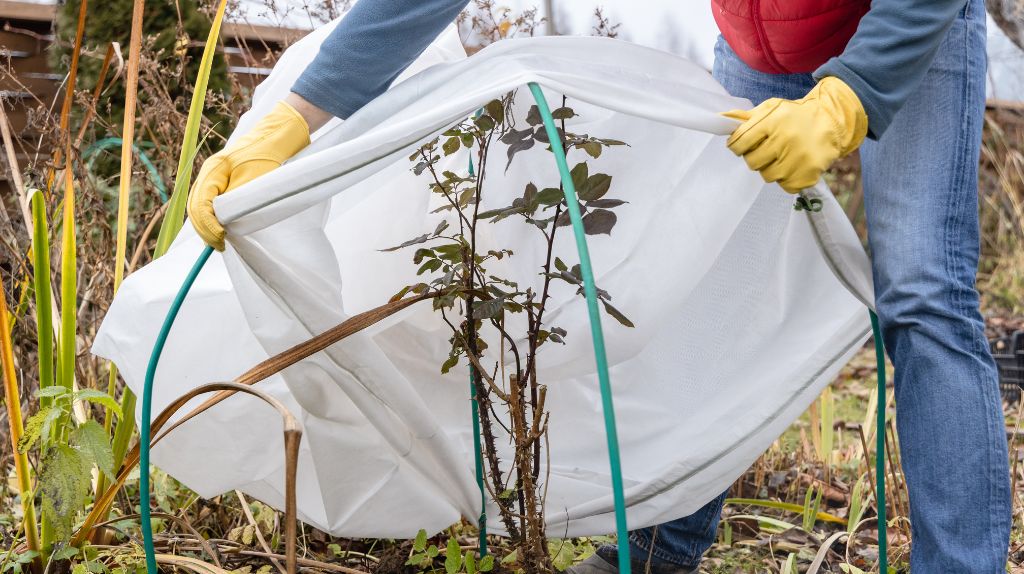
Not all plants are hardy enough to survive harsh winters on their own. For these more sensitive varieties, use frost covers, burlap, or even an old bedsheet. This extra layer shields them from the worst of winter’s bite.
Caring for Shrubs and Trees
Step 1: Wrap Vulnerable Trees
Young trees and those with thin bark can suffer from sunscald in the winter. Wrapping the trunks with burlap or tree wrap will protect them from this damage. It’s like wrapping yourself in a scarf to avoid frostbite.
Step 2: Prune Damaged Branches
Pruning your shrubs and trees before winter ensures they stay healthy during the cold months. Trim away any damaged or weak branches to prevent them from breaking under the weight of snow and ice.
Step 3: Apply Dormant Oil for Pest Control
Before winter hits, spray your shrubs and trees with dormant oil to keep pests from overwintering. It’s like giving your plants a bug-repellent coat, ensuring they don’t become a snack for insects during winter.
Winterizing Garden Furniture and Tools
Storing Tools Properly to Extend Their Life
Don’t forget about your garden tools. Clean and store them in a dry place to avoid rusting. A little bit of maintenance now will save you from having to buy new tools in the spring.
Protecting Outdoor Furniture from Snow and Ice
Cover your outdoor furniture or store it away to prevent damage from snow and ice. Moisture can warp wood and cause metal to rust, so take care of these items just like you would your plants.
Final Winter Garden and Lawn Tips
Keep an Eye on Winter Weather Conditions
Even after winterizing, it’s important to monitor winter weather. Extreme cold snaps or heavy snowfalls might require some additional care, like adding extra mulch or shoveling snow off delicate plants.
Plan for Next Spring While Winterizing
As you winterize, make notes for next year. What worked well in your garden? What plants struggled? This reflection will help you plan for an even better garden next spring.
Conclusion: A Little Effort Now Saves a Lot Later
Winterizing your lawn and garden isn’t just a chore—it’s an investment in next year’s beauty. A bit of work now means you’ll avoid costly repairs or replanting later. Plus, your plants and lawn will be healthier and happier come spring. So, take the time to prepare, and you’ll be glad you did!
FAQs
Q1: When should I start winterizing my lawn?
Start winterizing a few weeks before your area’s first frost date. This allows enough time for the lawn and garden to absorb nutrients and settle in before the cold sets in.
Q2: What kind of fertilizer should I use for winter lawn care?
Look for a winter fertilizer high in potassium. This helps strengthen the grass roots for the cold months ahead.
Q3: How much mulch should I use to protect my plants?
A 2-3 inch layer of mulch is typically sufficient to insulate plant roots and protect against freezing temperatures.
Q4: Can I prune my trees and shrubs in winter?
It’s best to prune before the first frost to prevent any damage to the plants. Avoid pruning during winter unless absolutely necessary.
Q5: Should I water my garden right before winter?
Yes! Watering your garden before the ground freezes gives your plants enough moisture to survive the winter months.